StormShield Roller Shutters for Perth Homes
StormShield Roller Shutters are built on Ozroll’s Rollashield platform with High Density Foam (HDF) injected into the slat profile — engineered, in the manufacturer’s own words, for situations of high wind or high risk. Available in restrained and unrestrained configurations, the restrained HDF profile is tested to meet Cyclone Category 3 regulations, while the unrestrained option offers extra strength and security using standard materials. Every installation should be measured and specified by a professional to confirm the correct configuration for your property.
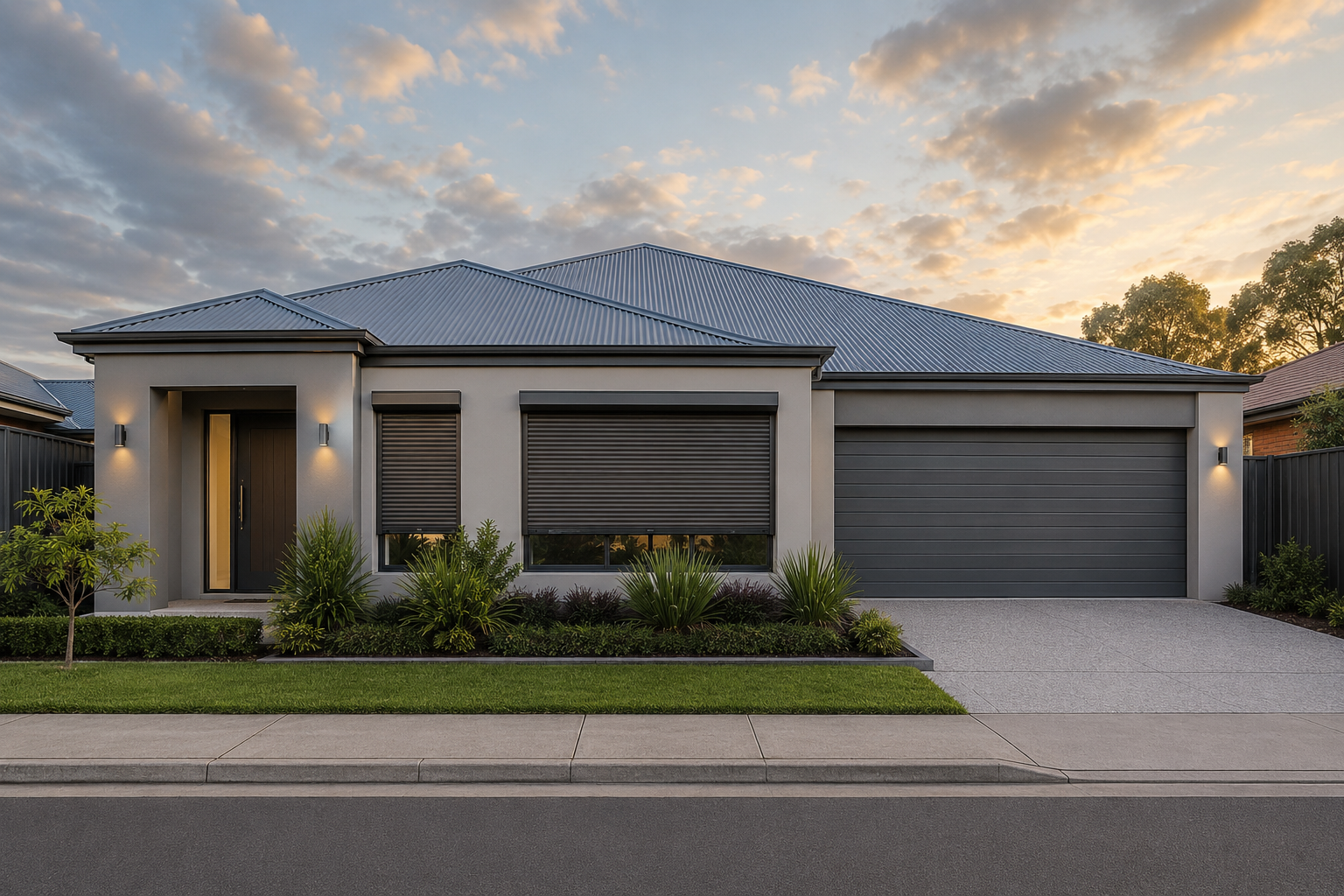
StormShield Roller Shutters are insulated aluminium roller shutters built on Ozroll’s Rollashield platform, with High Density Foam (HDF) injected into the slat profile for additional strength where wind exposure or risk is a concern. Available in restrained and unrestrained configurations, the restrained HDF profile — combined with restrained guides — is tested to meet Cyclone Category 3 wind-loading regulations under AS/NZS 1170.2 and AS 4040.3. StormShield suits Perth homeowners seeking a combination of security, insulation, weather protection and everyday privacy, though every opening should be confirmed with a professional measure before a configuration is selected.
Product Highlights
High Density Foam Construction
Injected during manufacture for strength where wind exposure is a concern.
Cyclone Category 3 Tested
When the restrained HDF profile is combined with restrained guides.
Restrained or Unrestrained
Two configurations to suit different site requirements.
Premium Insulation
Supports thermal comfort and noise reduction.
Wide Colour Range
Multiple profile and box finishes available.
Professional Measure Required
Every configuration is site-assessed before specification.
Why Choose StormShield Roller Shutters?
Perth’s roller shutter buyers aren’t only weighing privacy and light control — many are also considering how a shutter performs under genuine wind exposure, whether that’s a storm-prone site, a semi-coastal suburb, or simply a property where extra peace of mind matters. A standard residential shutter is engineered for everyday conditions; it isn’t necessarily tested against a specific wind-loading standard.
StormShield exists for homeowners who want that additional, independently-referenced performance basis. Built on the same Residential Slat platform Ozroll has long manufactured, with High Density Foam added specifically for high-wind or high-risk situations, StormShield in its restrained configuration is tested against named Australian Standards for cyclonic wind loading — a genuinely different evidentiary basis to a standard shutter’s everyday-use design.
The right configuration still depends on the property. Site exposure, opening dimensions, and whether restrained or unrestrained guides are appropriate all influence the correct specification — confirmed only through a professional measure.
What Makes a StormShield Roller Shutter Different?
The defining difference is the High Density Foam (HDF) injected into the slat profile during manufacture. Where a standard residential shutter uses a conventional foam fill for insulation and rigidity, StormShield’s HDF is specifically developed, in the manufacturer’s words, to offer “remarkable advantages where there is high wind or high risk.”
This is paired with a genuine configuration choice most standard residential shutters don’t offer: restrained guides, where the curtain is mechanically restrained within the guide channel, or unrestrained (standard) guides. The restrained HDF configuration is the one tested to Cyclone Category 3 wind-loading regulations; the unrestrained configuration uses standard materials for situations where extra strength is wanted without the full restrained-guide specification.
Because the cyclone-tested performance applies specifically to the restrained configuration with restrained guides — not to StormShield as a blanket claim — the correct configuration for a given property is a genuine specification decision, not a single “upgrade everyone gets.”
Where Are StormShield Roller Shutters Most Commonly Used?
Storm-Exposed Openings
Windows and doors on the weather-facing side of the home.
Semi-Coastal and Exposed Suburbs
Properties where wind exposure is a genuine site consideration — including Perth’s northern coastal corridor (areas such as Yanchep, Two Rocks, Alkimos and Quinns Rocks) and southern coastal areas (including Rockingham and Singleton), though exposure varies property to property and should always be confirmed on site.
Bedrooms and Living Areas
Everyday privacy, light control and insulation alongside wind performance.
Street-Facing Rooms
Additional security and privacy for front-facing openings.
Outdoor Living Areas
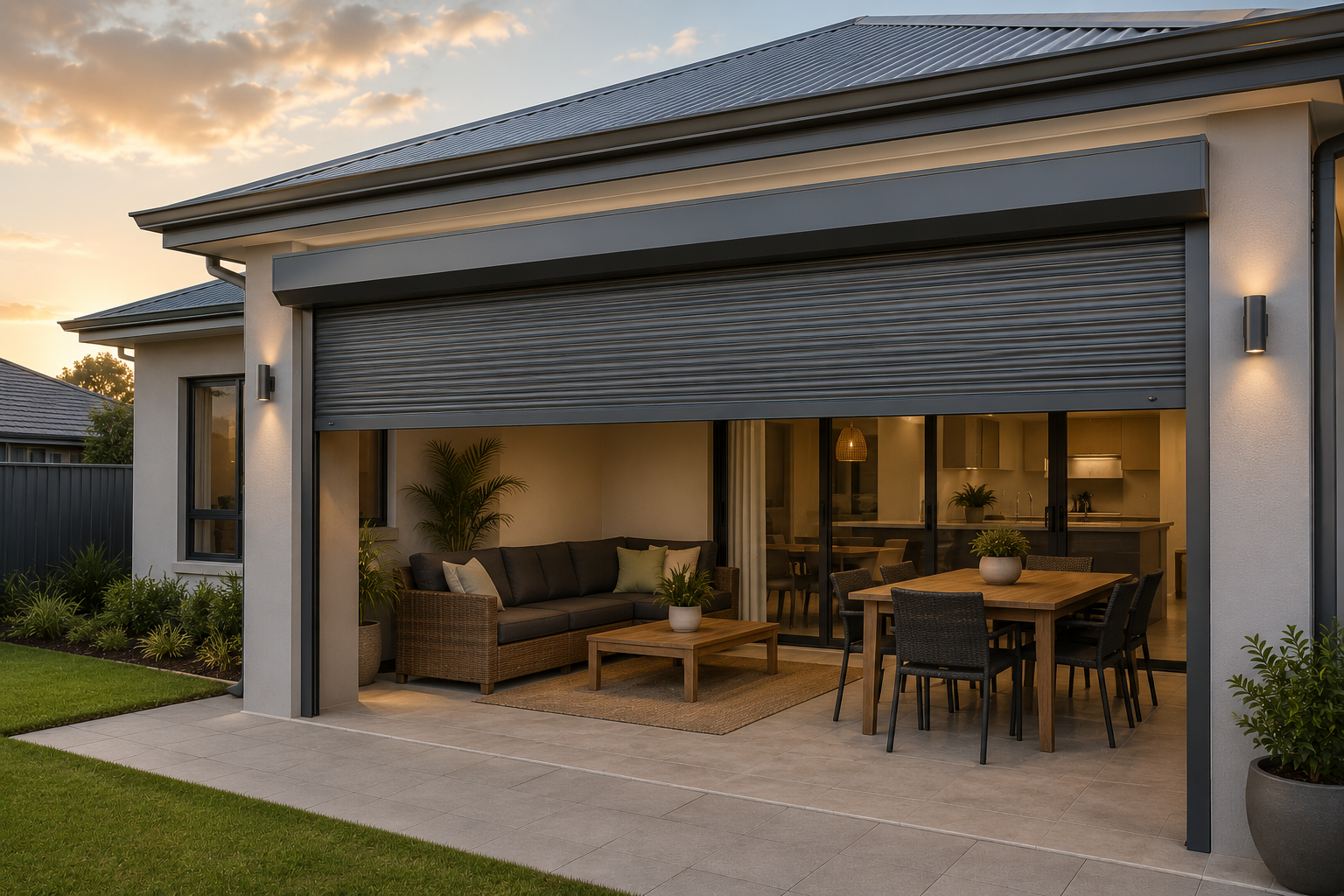
Closing in alfresco and outdoor entertaining openings, per the manufacturer's own stated suitability.
The correct configuration — restrained or unrestrained — depends on the opening’s exposure and the property’s specific conditions, confirmed during a professional measure.
How StormShield Roller Shutters Are Constructed
A typical StormShield system includes:
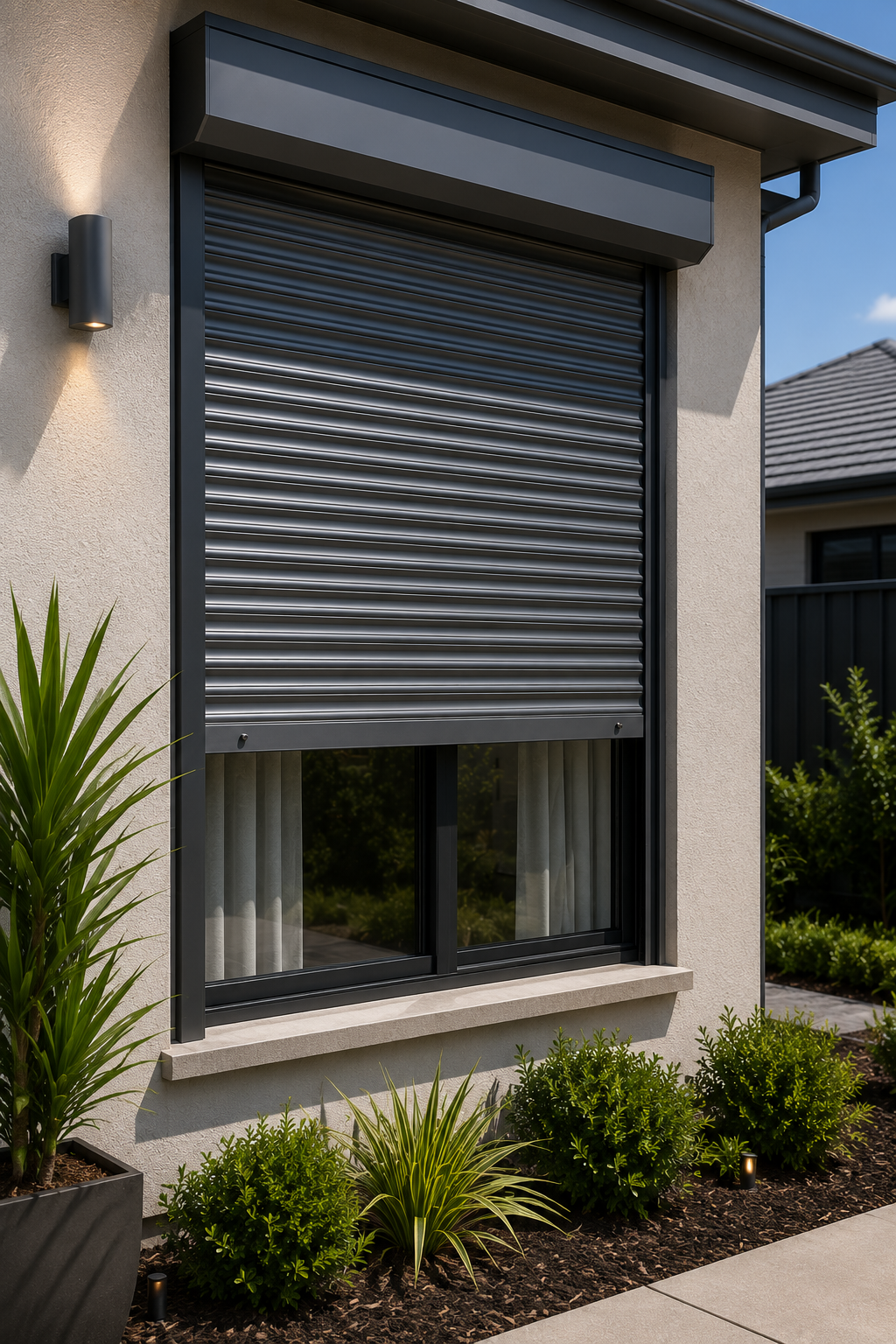
- HDF-Filled Aluminium Slat. High Density Foam injected during the roll-forming process.
- Guide System. Standard (unrestrained) or restrained guides, selected per the site’s requirements.
- Reinforced Bottom Bar. Finishes the curtain and closes against the sill or base point.
- Headbox. Available in square (SQ45) or round (RD360) boxing styles.
- Motorised or Manual Operating System. Sized to the curtain and the selected control option.
Each component is manufactured as part of a complete, tested system — the restrained-guide configuration’s Cyclone Category 3 rating applies to the combination of the HDF profile and restrained guides together, not to any single component in isolation.
Technical Specifications
Curtain Weight
6kg per square metre.
Maximum Width (Standard Guide)
4m.
Maximum Width (Extended Guide)
4.2m.
Maximum Width (Restrained Guide)
4.6m.
Maximum Area
10m².
Aluminium Gauge
0.32mm.
Profile Slat
40mm height, 9mm thickness.
Guide Dimensions
53mm standard, 70mm restrained.
Bottom Bar
50mm.
Axle
50mm circular.
A second manufacturer source document lists slightly different maximum width figures (3.6m standard / 4m extended / 4.2m restrained guide). Both figures are manufacturer-published; the figures above are used as primary. All dimensions are indicative and should be confirmed for your specific opening during a professional site assessment.
Colours and Appearance
Roller shutter (profile) colours: White, Cream, Sand, Black, Woodland Grey, Deep Ocean Blue, Monument.
Box colours: White, Grey, Cream, Sand, Brown, Black, Deep Ocean Blue, Woodland Grey, Monument.
Full colour options are available for 165mm–205mm box sizes; the 250mm box size is available in White, Cream and Sand only. Colour availability for the 150mm and 230mm box sizes is referenced by the manufacturer but not confirmed in the evidence sourced for this page — confirm current availability for these sizes at the time of quoting.
Manual or Motorised Operation?
Manual Operation. Available via a strap winder or a spring-assist system, suited to accessible openings where straightforward manual control is preferred.
Motorised Operation. Available through several SOMFY-compatible 240V options, including a key switch, a hand-held remote transmitter, a CSI-override system, and an E-Port/E-Trans control unit. All motorised control equipment of this kind is designed for standard residential electrical installation.
The most appropriate control option depends on the shutter’s size, how frequently it will be used, and whether the opening is part of a restrained (cyclone-tested) or unrestrained configuration — confirmed during the quotation process.
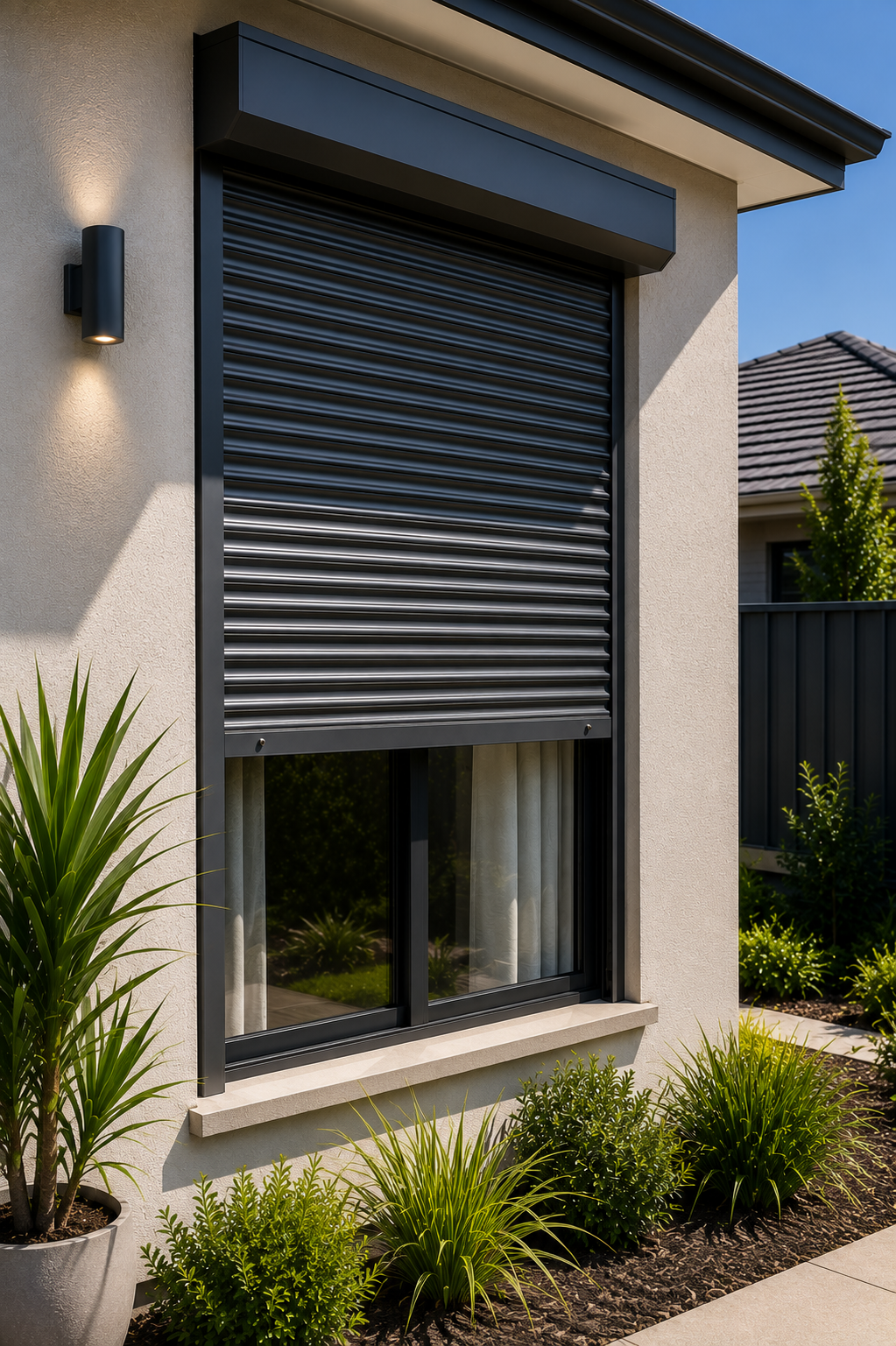
Key Benefits
Wind and Storm Performance
The restrained HDF configuration is tested to Cyclone Category 3 wind-loading regulations under named Australian Standards.
Security
An additional physical barrier across windows and selected door openings, increasing the time and effort required for unauthorised entry.
Thermal Comfort
The insulated HDF curtain helps limit direct solar exposure and creates an insulating air space against the glazing.
Privacy and Light Control
Full closure provides strong visual privacy and light reduction; partial operation balances daylight, ventilation and privacy.
Weather Protection
An additional barrier against wind-driven rain and airborne debris, within the manufacturer's specified operating limits.
Noise Moderation
The insulated curtain and air space may reduce transmission of external noise, depending on building construction and glazing.
No benefit is described as absolute or guaranteed — actual performance depends on the property, the selected configuration, installation quality and how the shutter is used.
Design Considerations Before Installation
Selecting the right StormShield configuration involves more than choosing a colour. Key factors include:
- Restrained vs. Unrestrained Guides. The restrained configuration carries the tested Cyclone Category 3 rating; the unrestrained configuration uses standard materials for general extra-strength applications.
- Boxing (Pelmet) Size. Square (SQ45) or round (RD360) boxing, each with its own maximum overall height by size.
- Site Wind Exposure. Whether the opening’s location genuinely warrants the restrained, cyclone-tested configuration.
- Colour and Box Size Combination. Some box sizes have a more limited colour range than others — confirmed at time of quoting.
A professional site assessment considers these factors together, alongside structural fixing points and access, before a final specification is recommended.
StormShield Roller Shutters in Perth’s Climate
Perth’s climate presents conditions relevant to a wind-and-weather-focused shutter system: extended summer sun and high UV exposure, seasonal storms with wind-driven rain, and — in some suburbs — coastal salt exposure and more variable wind conditions. These are exactly the conditions the StormShield HDF development was aimed at, per the manufacturer’s own framing of “high wind or high risk.”
As an external covering, StormShield allows homeowners to reduce direct solar heat entering the home and to close against wind-driven rain during storm events, within the shutter’s tested operating limits. Actual thermal and weather performance depends on the building’s design, orientation, glazing and how the shutter is used — it should not be treated as a guaranteed outcome, and the Cyclone Category 3 rating specifically applies to the restrained configuration, not every StormShield installation by default.
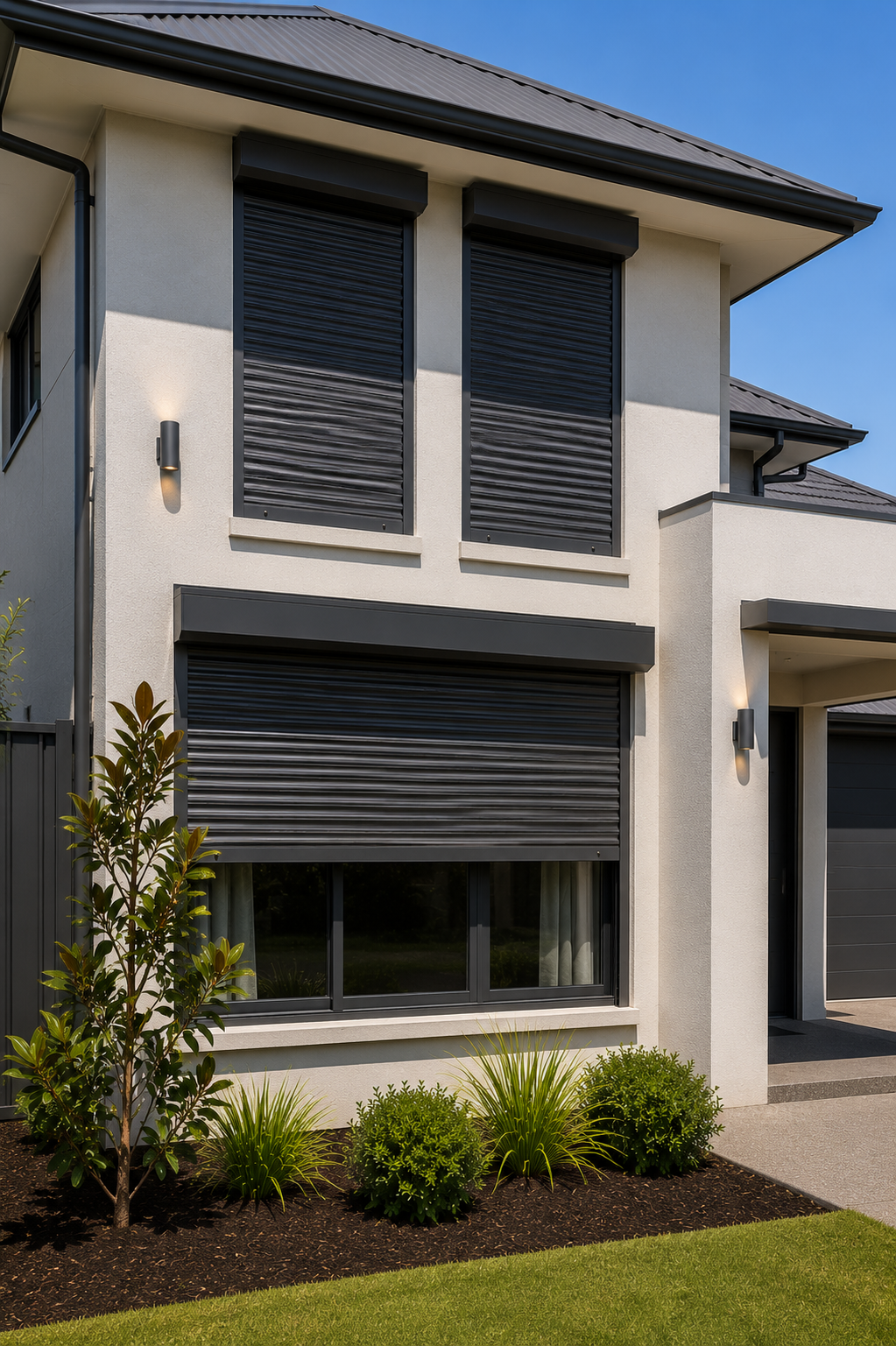
Is a StormShield Roller Shutter the Right Choice?
StormShield May Suit You When
- Wind exposure or storm performance is a genuine site consideration
- An independently-referenced wind-loading test basis matters to you
- Insulation, privacy and security are also priorities alongside wind performance
- You want the option of a restrained, cyclone-tested configuration
Consider a Different Product When
- Wind or storm performance is not a priority for your property
- The opening is wider than StormShield’s engineered maximum widths
- A bushfire-specific rating is the priority, rather than wind performance
- A simpler, standard residential shutter meets your requirements
Professional Installation Matters
Site Measurement
Accurate measurement of the opening and surrounding structure.
Configuration Confirmation
Confirming restrained or unrestrained guides for the site's exposure.
Guide Alignment
Correct installation of the selected guide system.
Motor Selection and Installation
Sizing and installing the operating system correctly, where motorised.
Operational Testing
Testing the shutter through multiple cycles before handover.
Final Adjustment
Fine adjustment for smooth, consistent operation.
Because the tested Cyclone Category 3 rating applies to the restrained configuration as installed, professional installation is directly relevant to whether the tested performance basis is actually achieved on site.
Looking After Your StormShield Roller Shutters
Clean the Curtain
Wash with mild detergent and water.
Clear the Guide Channels
Remove leaves, sand and accumulated debris.
Inspect Weather Seals
Check seals periodically for wear or damage.
Confirm Smooth Operation
The shutter should travel evenly, without unusual noise.
Service Motorised Components
Arrange servicing if the motor develops noise or operational issues.
Regular inspection helps identify minor issues before they develop into larger repairs, and supports the shutter continuing to perform as tested over time.
Choosing the Right StormShield Solution
Restrained or Unrestrained
Determined by the site's wind exposure and whether cyclone-tested performance is required.
Boxing Style and Size
Square (SQ45) or round (RD360), sized to the opening's height requirements.
Colour Coordination
Matched to the home's roofline, frames and façade, within the available range for the selected box size.
Control Option
Manual or one of the available SOMFY-compatible motorised options.
Opening Dimensions
Confirmed against the manufacturer's maximum width and area figures for the selected guide type.
A professional site inspection allows these factors to be assessed together before a final specification is recommended.
Why Homeowners Choose Perth Roller Shutters & Blinds
Specifying a wind-rated shutter configuration correctly depends on understanding which combination of profile and guides actually carries the tested performance basis — not every StormShield installation is automatically cyclone-tested unless configured that way.
Evidence-Based Product Advice
Recommendations grounded in the manufacturer's own published specifications and testing evidence.
Configuration Expertise
Correct guidance on restrained vs. unrestrained guides for your site's exposure.
Professional Installation
Correct installation so the tested configuration performs as specified.
Ongoing Support
Servicing and maintenance pathways for motorised systems.
Clear Product-Fit Guidance
Honest advice on when a different product — not StormShield — is the better fit.
Request Professional Advice
Arrange a property-specific assessment so your opening’s dimensions, wind exposure and the correct StormShield configuration can be confirmed before a system is selected.
Frequently Asked Questions
Common questions about StormShield Roller Shutters for Perth homes.
They are suitable for many residential properties, provided the opening dimensions fall within the manufacturer's maximum width and area specifications for the selected guide configuration.
The High Density Foam (HDF) curtain helps reduce solar heat gain by shading windows and creating an insulating air space against the glazing. Actual performance depends on the building's design and orientation.
They provide an additional physical barrier that may increase the effort required for unauthorised entry, but they should not be considered a substitute for comprehensive home security measures.
They may reduce external noise entering the home, although the level of reduction depends on the building construction, glazing and installation.
Both manual and motorised options are available. Manual options include a strap winder or spring-assist system; motorised options include several SOMFY-compatible 240V systems, including key switch, remote transmitter and CSI-override control.
Routine cleaning, inspection and prompt servicing of damaged components are generally sufficient to maintain reliable operation.
Yes. StormShield Roller Shutters can often be installed on existing homes as well as new residential construction, subject to site assessment.
The restrained HDF configuration, combined with restrained guides, is tested to meet Cyclone Category 3 wind-loading regulations under AS/NZS 1170.2 and AS 4040.3. This rating applies specifically to that tested configuration, not to every StormShield installation by default — confirm the correct configuration for your site during a professional assessment.
Professional installation helps ensure accurate measurement, correct guide configuration, and — for the restrained configuration — that the shutter is installed in a way consistent with its tested wind-loading basis.