Roller Shutters & Outdoor Blinds in Mundaring
Improve privacy, comfort and year-round use of your Mundaring home with roller shutters and outdoor blinds selected for the property, the opening and the way your household lives.
Quick Answer
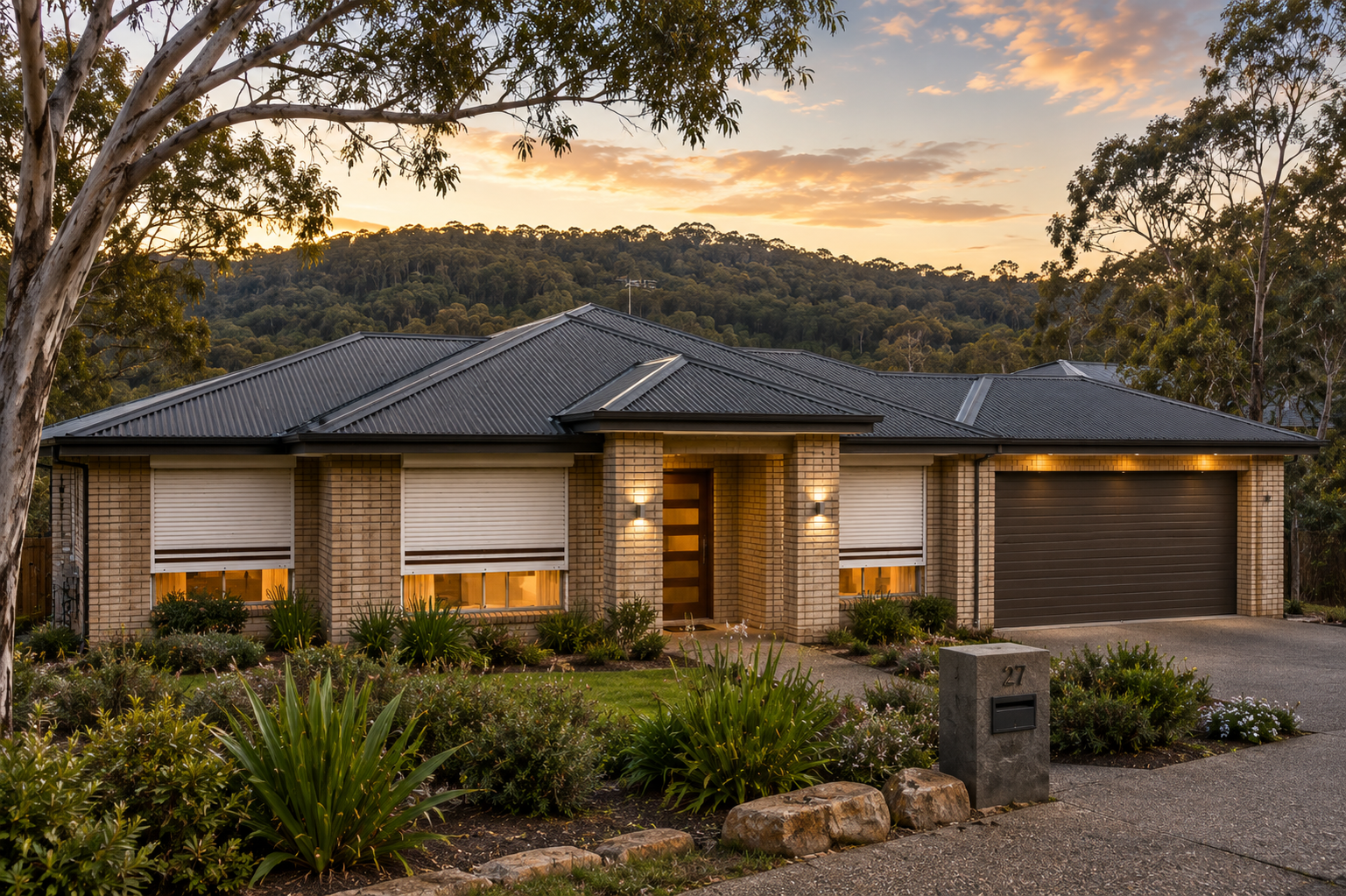
Mundaring homes can have very different shading, privacy and security needs. An established home near the town centre may have street-facing bedrooms and older window layouts, while a larger Perth Hills property may include broad glazing, verandahs, patios, workshops and multiple outdoor zones.
For windows, roller shutters may help manage sunlight, privacy and everyday security. For patios, verandahs and alfresco areas, outdoor blinds can provide adjustable protection from sun and changing weather. The right answer depends on the opening, orientation, surrounding vegetation, operating preference and the condition of any existing system.
A site measure is the practical way to compare options. It also allows the installation team to identify access, mounting, electrical and property-specific considerations before anything is ordered.
Understanding the Mundaring Property Landscape
Mundaring sits within the Perth Hills, where established vegetation, sloping land and varied housing create a different property context from a uniform new estate. Homes can range from established brick residences and renovated family homes to contemporary builds and larger lifestyle properties.
This variety matters because an external shading or security solution should respond to the building rather than simply the suburb name. A western bedroom window may need strong afternoon light control. A living room may need glare management without losing all natural light. A patio may need flexible screening that can be opened when conditions are mild. A workshop or secondary building may have a different priority again.
The 2021 Census profile for the Mundaring area records more than 5,000 private dwellings and an average of 2.5 motor vehicles per dwelling. Those figures do not describe every property, but they are consistent with a community where garages, driveways, workshops and larger residential layouts can be important.
The best starting point is therefore a room-by-room and opening-by-opening assessment. This avoids over-specifying low-priority areas and allows the homeowner to stage work around the spaces that will make the greatest difference.
Established Hills Homes
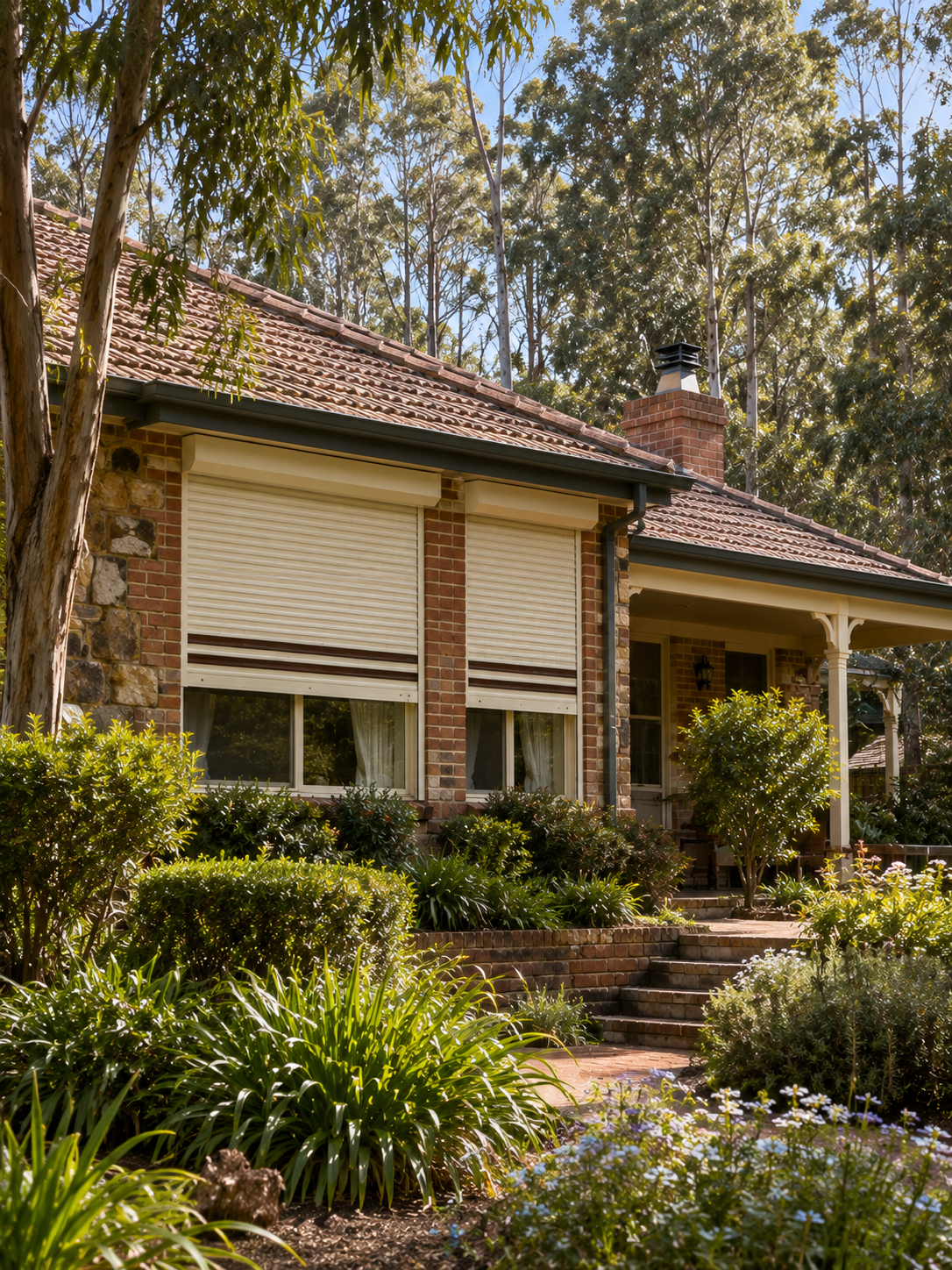
Many established Mundaring homes were built before current preferences for integrated automation, large open-plan living zones and high-performance glazing became common. They may have a practical layout and strong connection to the landscape, but different elevations can experience very different sun and privacy conditions.
For these homes, homeowners commonly begin with priority windows:
- bedrooms requiring better darkness and privacy;
- west-facing rooms affected by afternoon sun;
- living areas where glare interrupts television or screen use;
- street-facing windows where an added external barrier is preferred; and
- windows that are difficult to cover effectively from inside.
A residential roller shutter installation can be planned around those needs without assuming the whole home must be completed at once. Colour, head-box position, guide placement and operating method should be considered alongside the existing façade.
Where an older shutter system is already fitted, an inspection may show that servicing or component replacement is more appropriate than a new installation.
Lifestyle and Larger-Lot Properties
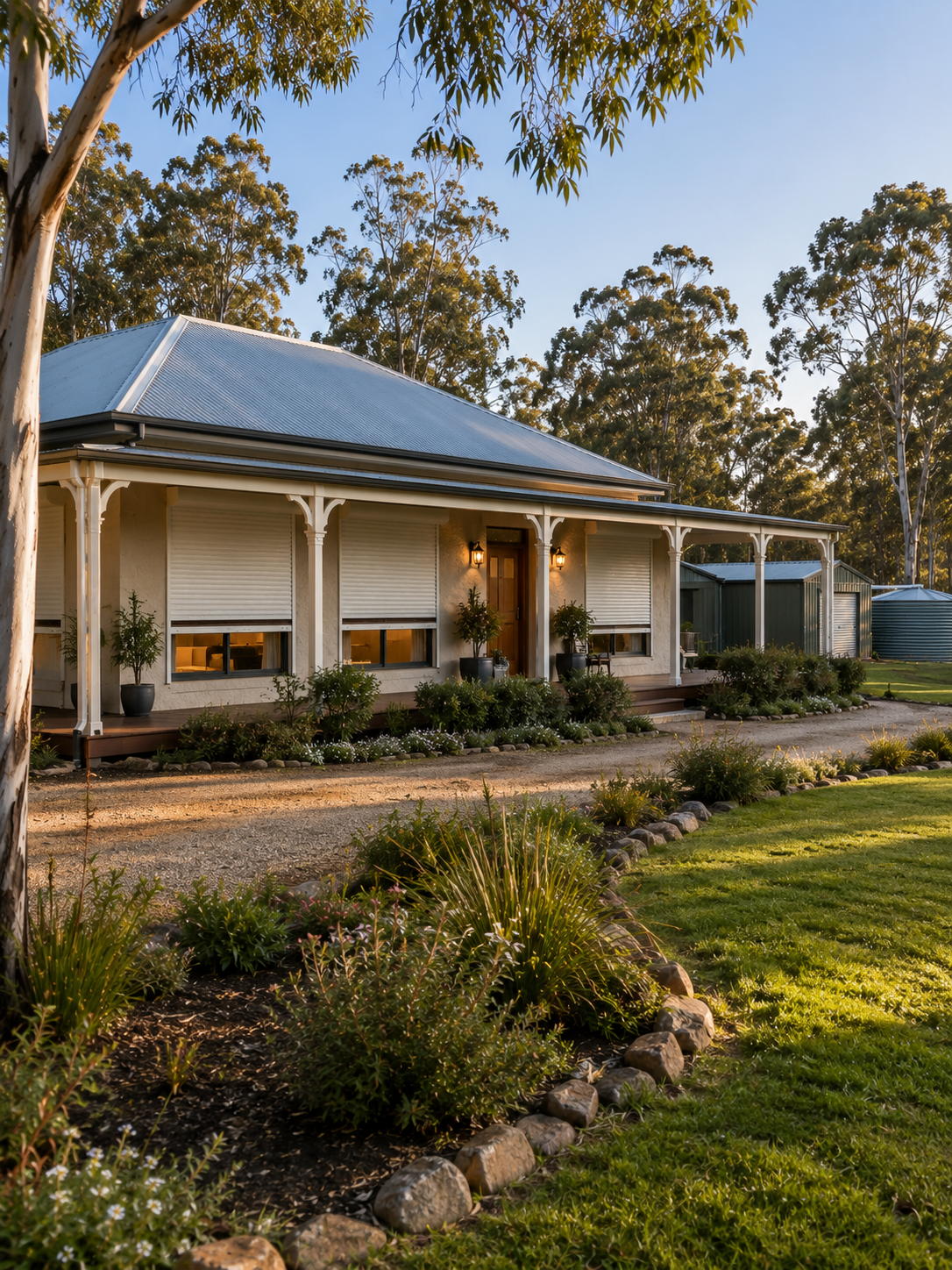
Larger properties often include several distinct zones: the main residence, verandahs, patios, garages, workshops and sometimes detached structures. The openings may differ substantially in width, access and exposure.
That makes project prioritisation important. The homeowner may place the first stage around sleeping comfort and everyday living spaces, then address outdoor areas or secondary buildings later. Electric operation can be useful for frequently used shutters, while a simpler method may suit a small, less-used opening.
Outdoor areas deserve their own assessment. A verandah exposed to low western sun has different needs from a sheltered patio. An open-sided entertaining area may benefit from flexible blinds, but the chosen system must suit the opening, fixing points and expected conditions.
Vegetation and leaf litter also affect maintenance. Tracks, guides and moving components should be kept clear and inspected if operation becomes uneven or noisy. A blind or shutter should not be forced when debris or damage is obstructing movement.
Renovated and Contemporary Homes
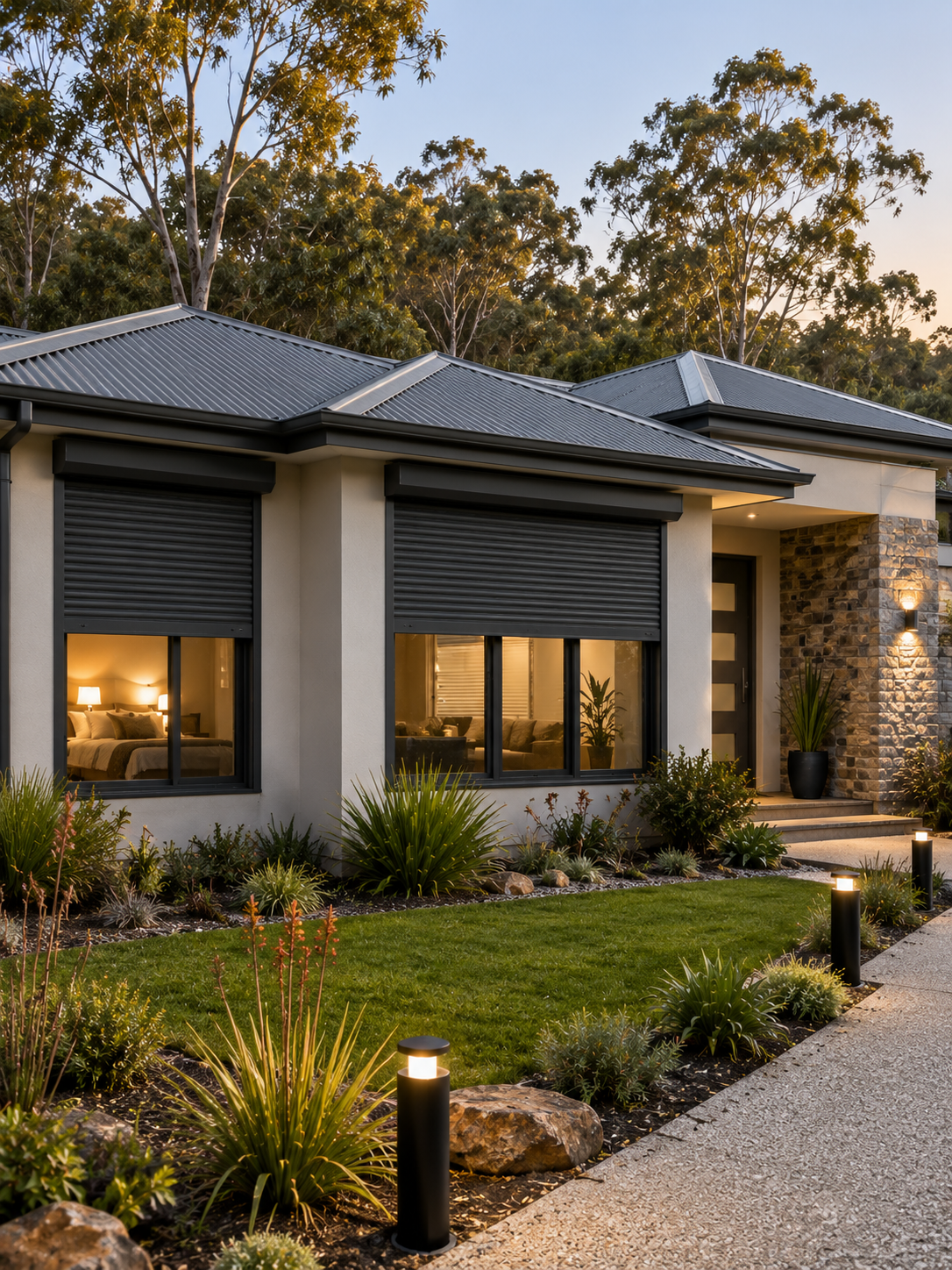
Renovations often introduce wider glazing, open-plan rooms and stronger indoor–outdoor connections. These changes can improve natural light and outlooks but may also increase glare or solar exposure in selected areas.
Planning shutters or blinds as part of the broader renovation can produce a cleaner result. The installer can discuss:
- where head boxes and guides will sit;
- how colours relate to windows, gutters and façade finishes;
- how electrical supply and controls will be routed;
- which openings should operate independently or in groups; and
- how the system interacts with doors, screens, balustrades or outdoor structures.
Early coordination is especially useful where new render, cladding, window replacement or electrical work is involved. It reduces the likelihood that finished surfaces will need to be altered later.
Smart-compatible control may also be considered at this stage, but compatibility must be confirmed for the selected motor and control system. “Smart” is not a universal feature across all products.
Local Environment, Planning and Bushfire Considerations
The Shire of Mundaring advises that much of the municipality is within a bushfire-prone area and that some development applications require bushfire assessment and supporting documentation. This does not mean every shutter or blind installation has the same approval pathway, and it does not make a standard roller shutter a bushfire protection system.
A homeowner should distinguish between three separate questions:
- Does the proposed work require approval or other confirmation for this address?
- Is the selected product suitable for the opening and installation conditions?
- Is a specialised bushfire-related performance claim being made, and is that claim supported by verified product evidence?
Standard shading and security benefits must not be confused with specialised bushfire performance. Where bushfire requirements are relevant, obtain address-specific advice and select only a system whose documented testing and intended use match the project.
The Shire’s planning framework and property conditions may also affect additions, structures or associated works. The installer can explain the proposed product and fixing method, but the homeowner remains responsible for obtaining planning, building or bushfire advice where required.
Heat, Sun and Seasonal Comfort
Perth experiences hot, dry summers, and individual Mundaring rooms can be strongly affected by orientation, glazing and shade. External shading is often considered because it intercepts sunlight before it passes through the glass.
A roller shutter may assist with:
- reducing direct sunlight entering a closed room;
- managing afternoon glare;
- increasing privacy at night;
- darkening a bedroom; and
- providing an additional external layer over the window.
The result will vary with the building, window, shutter, installation and how the household operates it. It is therefore better to discuss the priority—heat, glare, darkness, privacy or security—than to rely on a single universal performance claim.
Seasonal operation also matters. A homeowner may close selected shutters before the hottest part of the day and reopen them when outside conditions improve. Used this way, the system becomes an adjustable part of the home rather than a permanently closed barrier.
Outdoor Living in Mundaring
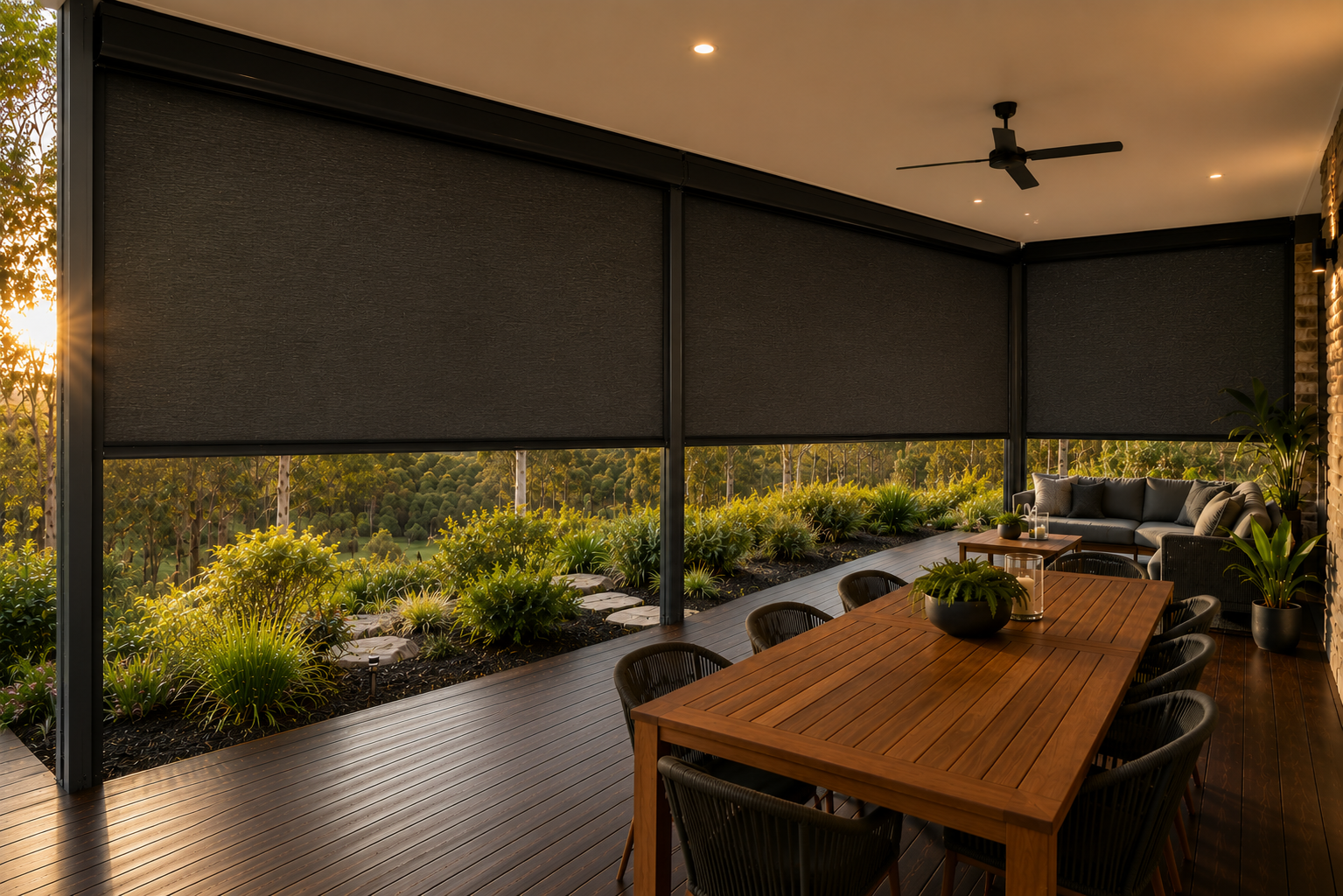
Patios, decks and verandahs are important parts of many Perth Hills homes. They may be used for meals, entertaining, children’s play, pets or simply enjoying the garden and bush outlook.
Outdoor blinds can make these areas more adaptable. Depending on the product and installation, a blind may help with low sun, glare and some exposure to changing conditions while remaining retractable when protection is not needed.
Before choosing a system, assess:
- the width and height of each opening;
- the structure available for secure fixing;
- sun direction at the times the area is normally used;
- wind exposure and the need to retract the blind in unsuitable conditions;
- doors, steps, railings and furniture positions;
- drainage and water flow;
- desired visibility and privacy; and
- manual or motorised operation.
An outdoor blind should not be marketed as creating a fully sealed indoor room unless the entire enclosure has been designed and approved for that purpose. It remains an adjustable outdoor screening system.
Choosing the Right Roller Shutter System
The best roller shutter is the one matched to the opening and the homeowner’s objective. Product selection should not begin with colour or price alone.
Bedrooms
Priorities may include darkness, privacy and convenient daily operation. Electric control can be useful where the shutter will be raised and lowered every day.
Living rooms and home offices
Glare and solar exposure may be more important than full darkness. Independent control allows the household to adjust one elevation while keeping other rooms open.
Street-facing windows
Privacy and an added physical barrier may be key considerations. The shutter should still be integrated carefully with the façade and emergency-egress requirements relevant to the room.
Wider openings
Wider windows require a system specifically suited to the measured span, weight and expected operation. Do not assume a profile intended for a standard window is appropriate for every wide opening. Product limits must be checked during quoting.
Specialised conditions
Where a project involves bushfire, cyclone, high-wind, commercial or unusual security requirements, choose a verified purpose-specific system rather than transferring claims from a different product.
Homeowners can review the broader roller shutter product and technical library before comparing the final recommendation for their property.
Manual, Electric and Smart-Compatible Controls
Control selection affects everyday satisfaction as much as the shutter profile.
Manual operation
Manual controls can suit smaller or less frequently used openings. They avoid dependence on a motor but still require accessible, comfortable operation and periodic maintenance of straps, winders or related components.
Electric operation
Electric shutters are convenient for frequently used windows, larger shutters and grouped household routines. The electrical and control plan should be confirmed before manufacture.
Remote control
Remote systems can simplify operation across several shutters. Homeowners should understand grouping, individual control, battery replacement and what happens if a handset is lost or damaged.
Smart-compatible operation
Some systems can integrate with timers, hubs or broader automation. Compatibility depends on the motor, receiver, controller and platform. Confirm the desired function before ordering; do not assume every motor can be connected later.
The most suitable option balances convenience, accessibility, serviceability and budget. A mixed approach may be appropriate across a larger property.
Repair, Upgrade or Replace?
An existing shutter or outdoor blind does not automatically need full replacement because it has stopped working correctly.
A roller shutter repair assessment can determine whether the problem relates to:
- a worn strap or winder;
- a motor or control fault;
- damaged slats;
- movement in guides;
- an obstruction;
- an electrical issue;
- general wear; or
- structural or compatibility problems.
Repair
Repair is often appropriate when the main system remains sound and compatible parts are available.
Upgrade
An upgrade may suit a working manual shutter where the owner wants electric operation, or a control system that needs modernisation. Feasibility depends on the existing shutter, available space, electrical access and component compatibility.
Replace
Replacement may be more appropriate when damage is extensive, the system is obsolete, repeated faults are occurring, or the original product is not suitable for the opening.
The decision should compare expected service life, parts availability, performance, appearance and total cost—not just the immediate repair price.
Planning Your Mundaring Installation
A controlled installation process reduces uncertainty.
1. Define the objective
List the rooms and openings causing the greatest issue. Identify whether the main concern is sun, glare, privacy, darkness, security, outdoor comfort or unreliable existing equipment.
2. Arrange a site measure
The installer measures the opening and checks access, substrate, surrounding features, power options and operation.
3. Compare the recommendation
Review the product, profile, colour, controls, box and guide positions, exclusions and any property-specific requirements.
4. Confirm approvals and specialised requirements
Where planning, building, strata, heritage, electrical or bushfire considerations may apply, confirm them before work proceeds.
5. Manufacture and schedule
Custom products should match the approved measurements and specification. Confirm expected lead times rather than relying on a generic estimate.
6. Install and test
The installer should test operation, limits, controls and finish, then explain normal use and care.
7. Record the system
Keep the quotation, product details, motor/control information and service contacts. These records make future maintenance and repairs easier.
Frequently Asked Questions
They can be suitable for many properties, but suitability depends on the opening, the building, the homeowner’s objective and any specialised site requirements. A measure and assessment should occur before a recommendation is finalised.
A closed external shutter may help reduce direct solar heat entering through the covered window. Results vary with orientation, glazing, building construction, product selection and use, so no fixed temperature or energy saving should be assumed.
Roller shutters are commonly chosen for improved light control. Some light may remain around guides or other interfaces depending on the installation, so they should not be described as universally producing complete blackout.
No. A standard roller shutter must not be described as bushfire-proof. Where a bushfire-related requirement applies, the product’s verified testing, intended application and the property’s requirements must all be checked.
Requirements depend on the property and the exact work. The Shire advises that most development requires approval while some minor work may be exempt. Confirm the position for the address and proposed installation rather than relying on a general statement.
They may improve flexibility by providing adjustable protection from sun and changing conditions. The structure, opening, wind exposure, operation and desired visibility need to be assessed.
Manual operation may suit smaller or infrequently used openings. Electric operation is often preferred for daily use, larger shutters and accessibility. The right choice depends on the household and installation.
Some can, but not every existing system is suitable. The shutter condition, axle, space, weight, electrical access and compatible components need inspection.
Do not force it. Noise, uneven movement or sticking can indicate obstruction, wear or damage. Stop operation and arrange inspection before a minor issue becomes more serious.
Keep guides and tracks clear, use the system according to the supplied instructions and arrange service when operation changes. Properties with dust, leaf litter or insects near openings may need more frequent visual checks.
No. Width, height, weight, exposure and intended use influence selection. Wider or specialised openings may require a different system.
Yes. Many homeowners begin with priority bedrooms, living spaces or a key outdoor area, then add other openings later. Confirm colour and component availability if visual consistency across stages is important.
Final Homeowner Checklist
Before approving a Mundaring roller shutter or outdoor blind project, confirm:
- The priority room or outdoor area has been clearly identified.
- The opening has been professionally measured.
- Sun direction, privacy, access and normal use have been discussed.
- The recommended system is within its verified size and application limits.
- Manual, electric, remote and smart-compatible options have been compared.
- Head box, guides, colour and electrical routing are understood.
- Existing equipment has been assessed for repair, upgrade or replacement.
- Planning, building, strata, heritage or bushfire questions have been checked where relevant.
- No unsupported “bushfire-proof”, “soundproof” or guaranteed savings claim is being relied upon.
- Maintenance and safe operation have been explained.
- Product, control and service records will be retained.
- Final images, browser QA and publication approval remain separate controlled steps.
Discuss Your Mundaring Property
A useful recommendation begins with the property, not a standard package. Arrange a site measure to compare roller shutters, controls, outdoor blinds or repair options for the areas that matter most.