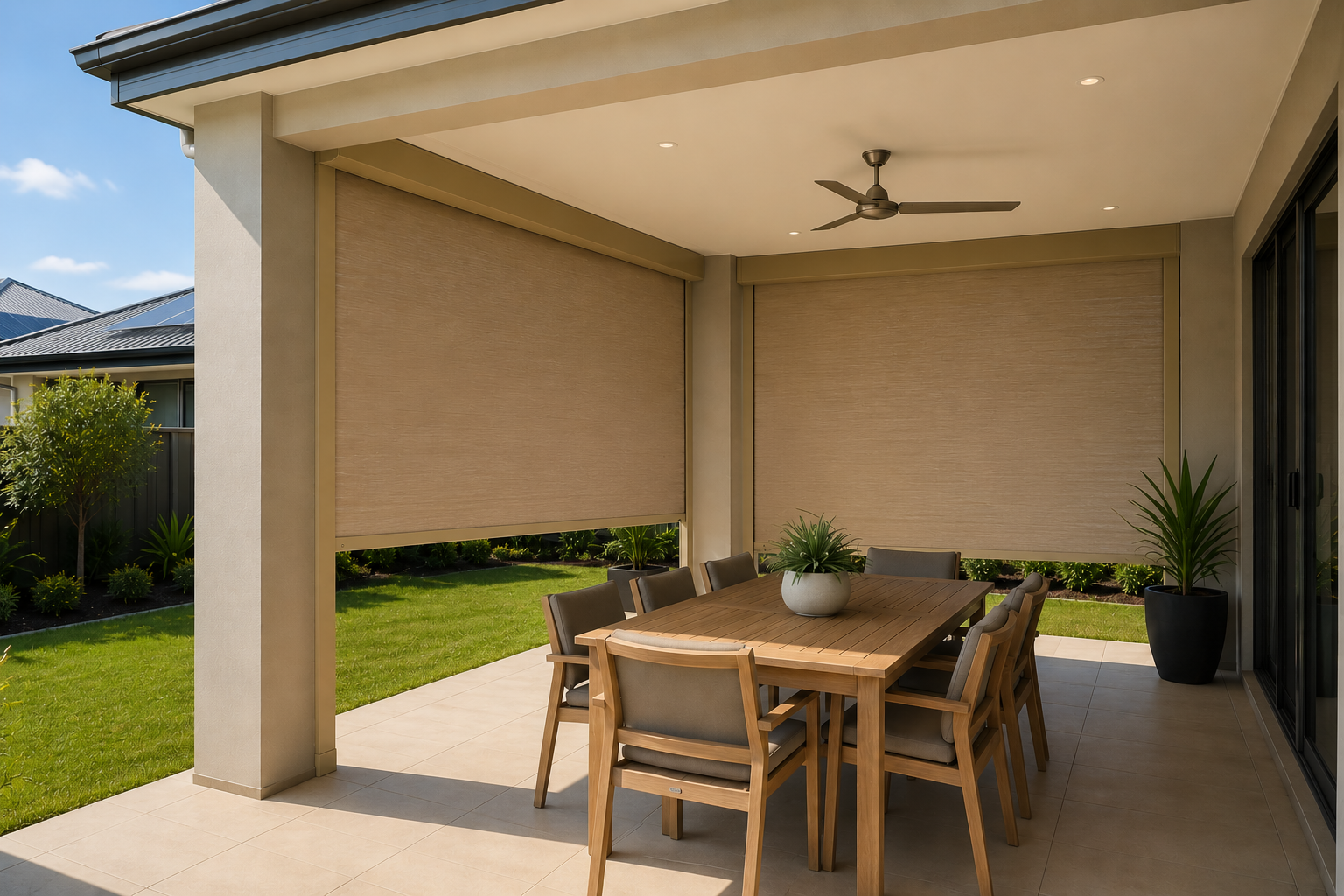
Roller Shutters for Insulation Perth WA
Roller shutters are often considered by Perth homeowners looking to improve comfort, privacy and the performance of selected areas of their homes. Understanding how roller shutters relate to insulation, shading and heat transfer helps homeowners make informed decisions based on their property characteristics.
Roller shutters are one component of a broader approach to residential thermal comfort. Their suitability depends on factors including building design, window characteristics, orientation, existing insulation and how the home is used.

Understanding Thermal Comfort in Perth Homes
Thermal comfort refers to how comfortable people feel inside a home based on temperature, air movement, humidity and other environmental factors.
Perth homes experience a range of seasonal conditions, including hot summer periods and cooler winter mornings. These conditions can influence how homeowners approach improvements that support indoor comfort.
Many factors contribute to residential comfort, including:
- insulation levels
- window performance
- shading
- ventilation
- building orientation
- external environmental conditions
Roller shutters may be considered as part of these broader residential improvement decisions.
Why Perth Homeowners Consider Thermal Improvements
Homeowners often consider thermal improvements to create more comfortable living spaces throughout the year.
Common considerations include:
- reducing unwanted solar exposure
- improving control over light and privacy
- managing conditions around windows and openings
- improving overall home usability
Thermal performance is influenced by multiple building features, meaning individual solutions should be considered within the context of the whole property.
Understanding Heat Transfer Through Windows
Windows can influence indoor comfort because they allow interaction between internal spaces and external conditions.
Heat transfer through windows may be affected by:
- window orientation
- glazing type
- direct sunlight exposure
- shading systems
- surrounding building features
External shading solutions can influence the amount of direct sunlight reaching windows.
Roller shutters may be considered one option for managing exposure at selected openings.

How Roller Shutters May Support Thermal Comfort
Roller shutters operate as an external covering system installed over selected openings.
When closed, roller shutters may provide an additional layer between the external environment and the window area.
Potential considerations include:
- reducing direct solar exposure
- providing additional shading
- supporting privacy control
- influencing conditions around selected openings
The outcome will vary depending on the home design, installation quality and environmental conditions.

Roller Shutters and Solar Exposure Management
Solar exposure is an important consideration in Perth homes because direct sunlight can influence indoor conditions.
External shading solutions may help reduce direct solar radiation reaching windows before it enters the home.
Roller shutters may assist with managing solar exposure at selected openings when used appropriately.
Their contribution depends on factors such as:
- window orientation
- time of day
- season
- building design
- homeowner operation

Insulation vs Roller Shutters: Different Functions
Insulation and roller shutters contribute to residential comfort in different ways.
Insulation is designed to reduce heat transfer through building elements such as ceilings, walls and floors.
Roller shutters are an external covering system that may influence conditions around selected windows and openings through shading and reduced exposure.
Both may be considered as part of broader residential improvement planning, but they perform different functions.
A homeowner assessing thermal improvements should consider how each element contributes to the overall characteristics of their property.
Summer Heat Considerations in Perth
Perth summers can involve periods of high temperatures and strong solar exposure.
Homes may experience increased heat gain through areas such as windows, particularly where openings receive significant direct sunlight.
Homeowners may consider a combination of approaches, including:
- external shading
- insulation
- ventilation
- window improvements
- appropriate building design choices
Roller shutters may support summer comfort considerations by helping manage solar exposure at selected openings.
The outcome depends on the individual property, environmental conditions and how the shutters are used.
Winter Comfort Considerations
Thermal comfort considerations also apply during cooler periods.
Windows can influence heat exchange between indoor and outdoor environments, particularly where glazing characteristics, orientation and weather conditions affect performance.
Roller shutters may be considered as one additional feature that can influence conditions around selected windows.
The contribution of roller shutters during cooler periods varies depending on:
- building construction
- window systems
- existing insulation
- installation quality
- operating practices
Building Design Factors That Influence Results
The effect of any thermal improvement measure depends on the characteristics of the individual home.
Important factors include:
- home orientation
- window location
- glazing type
- existing insulation
- building materials
- ventilation
- surrounding environment
A roller shutter installation that performs well in one property may not produce identical results in another property.
Understanding the specific characteristics of a home helps homeowners make more informed decisions.
Choosing Roller Shutters for Thermal Considerations
When considering roller shutters for thermal comfort purposes, homeowners should evaluate factors beyond appearance alone.
Important considerations may include:
- suitability for the home's window locations
- correct product selection
- professional installation
- operation requirements
- compatibility with existing home features
A considered approach helps homeowners understand where roller shutters may fit within their broader residential improvement goals.
Installation Quality and Performance Factors
The installation quality of roller shutters can influence how effectively they operate and integrate with a home.
Important considerations include:
- correct product selection
- accurate measurement
- suitable installation methods
- appropriate operation
- ongoing maintenance
A correctly installed roller shutter may perform more effectively as part of the home's overall design considerations.
However, thermal outcomes remain dependent on the individual property and the combination of building features already present.
Combining Roller Shutters With Other Efficiency Measures
Roller shutters are generally considered as one element within a broader residential efficiency approach.
Other considerations may include:
- ceiling and wall insulation
- efficient glazing
- external shading
- ventilation strategies
- passive design principles
- appropriate home maintenance
Combining different approaches may help homeowners address multiple aspects of comfort and building performance.
The most suitable approach depends on the home's existing characteristics and the homeowner's objectives.
Common Homeowner Considerations
Before choosing roller shutters, homeowners may consider several practical questions.
These may include:
- Which windows receive the most sunlight?
- How does the home currently manage heat and cooling?
- What existing features influence comfort?
- Are roller shutters suitable for the intended openings?
- How will the shutters be operated and maintained?
Understanding these factors helps homeowners make decisions based on their individual circumstances.
Understanding Limitations
Roller shutters can be a useful consideration within residential comfort planning, but they are not a complete replacement for all building performance measures.
Thermal outcomes vary depending on:
- property design
- climate conditions
- window characteristics
- insulation levels
- installation quality
- homeowner operation
Roller shutters should not be presented as providing guaranteed energy savings, guaranteed temperature reductions or identical results across all homes.
A balanced assessment of the entire property provides a more accurate basis for decision-making.
Making an Informed Decision About Roller Shutters
Choosing roller shutters involves considering how they fit within the broader needs of a home.
Homeowners may evaluate:
- thermal comfort priorities
- privacy requirements
- shading needs
- window characteristics
- existing building features
- long-term property goals
Roller shutters may form part of a considered approach to improving comfort and managing environmental exposure at selected openings.
The right decision depends on the individual home, its conditions and the homeowner's priorities.
Frequently Asked Questions
1. Do roller shutters improve insulation in Perth homes?
Roller shutters and insulation serve different functions. Roller shutters may support thermal comfort considerations by providing shading and an additional layer at selected openings, while insulation reduces heat transfer through building elements.
2. Can roller shutters replace home insulation?
No. Roller shutters do not replace building insulation systems such as ceiling, wall or floor insulation. They should be considered as one component of broader residential improvement planning.
3. Do roller shutters keep Perth homes cooler in summer?
Roller shutters may help manage solar exposure at selected windows when used appropriately. The overall effect depends on factors including home design, window characteristics, orientation and existing building features.
4. Do roller shutters help keep homes warmer in winter?
Roller shutters may influence conditions around selected windows, but winter comfort depends on multiple factors including insulation, glazing, building construction and environmental conditions.
5. Are roller shutters an energy efficiency solution?
Roller shutters may form part of a broader home efficiency approach. Energy outcomes depend on the individual property and cannot be guaranteed from roller shutters alone.
6. Which windows benefit most from roller shutters?
Windows exposed to significant sunlight or environmental exposure may be considered when assessing suitability. The most appropriate locations depend on the orientation and design of each home.
7. Do all homes achieve the same thermal benefits from roller shutters?
No. Results vary between properties because building design, materials, windows, insulation and operating conditions differ.
8. Are roller shutters better than insulation?
Roller shutters and insulation address different aspects of building performance. They are not direct replacements for each other and may be considered together as part of a broader approach.
9. What factors affect roller shutter thermal performance?
Factors include installation quality, product suitability, window characteristics, solar exposure, building design and how the shutters are operated.
10. Should roller shutters be installed for thermal reasons alone?
Homeowners may consider multiple factors including comfort, privacy, shading, security considerations and property requirements before making a decision.
11. How can Perth homeowners assess whether roller shutters are suitable?
Homeowners should consider their property's design, window locations, existing features and personal priorities when evaluating whether roller shutters are suitable.