Roller Shutters for Bushfire Protection Perth WA
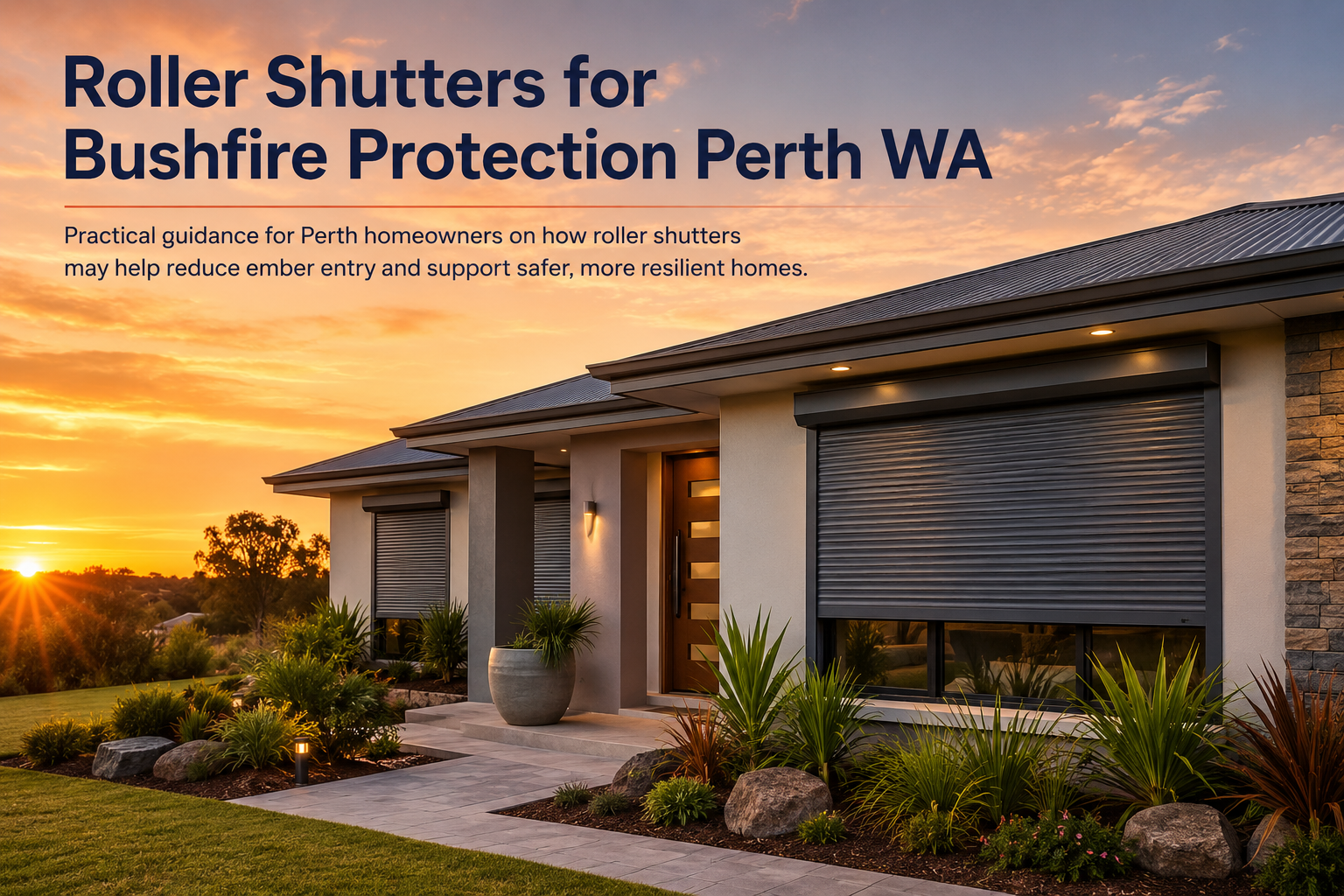
Understanding Bushfire Considerations for Perth Homes
Bushfire preparedness is an important consideration for many Perth homeowners, particularly those living near bushland areas, vegetation corridors, or rural interfaces.
A home’s ability to withstand bushfire exposure depends on many factors, including location, building design, surrounding vegetation, construction materials and ongoing property maintenance.
Roller shutters may form part of a broader discussion about residential resilience, but they should not be viewed as a standalone bushfire protection solution.
Why Bushfire Risk Varies Across Perth
Bushfire risk is not the same across all Perth suburbs.
Factors that influence exposure include:
- proximity to vegetation
- surrounding landscape conditions
- local weather patterns
- property design
- land management practices
Areas with greater vegetation interfaces may experience different considerations compared with established urban areas with limited surrounding vegetation.
Homeowners should consider their specific property conditions rather than relying on general assumptions about bushfire risk.
Understanding Ember Attack
Ember attack is one of the important considerations in bushfire preparedness.
During bushfire events, burning embers may travel ahead of the main fire front and enter vulnerable areas of buildings.
Potential vulnerabilities can include:
- gaps and openings
- combustible materials near the home
- roof and ventilation areas
- windows and external openings
This is why bushfire preparedness involves considering the entire property rather than a single building component.

The Role of Windows and External Openings
Windows and external openings are important parts of residential building design.
Homeowners considering bushfire resilience may review:
- window systems
- external coverings
- building materials
- installation quality
- property maintenance
External window solutions, including roller shutters, may be considered as part of broader discussions about managing openings and improving residential resilience.
How Roller Shutters May Support Residential Considerations
Roller shutters provide several established residential functions, including:
- privacy control
- light management
- security considerations
- weather exposure management
For homeowners researching bushfire preparedness, roller shutters may be one element considered alongside other property planning decisions.
Their contribution depends on the specific product, installation, building design and site conditions.
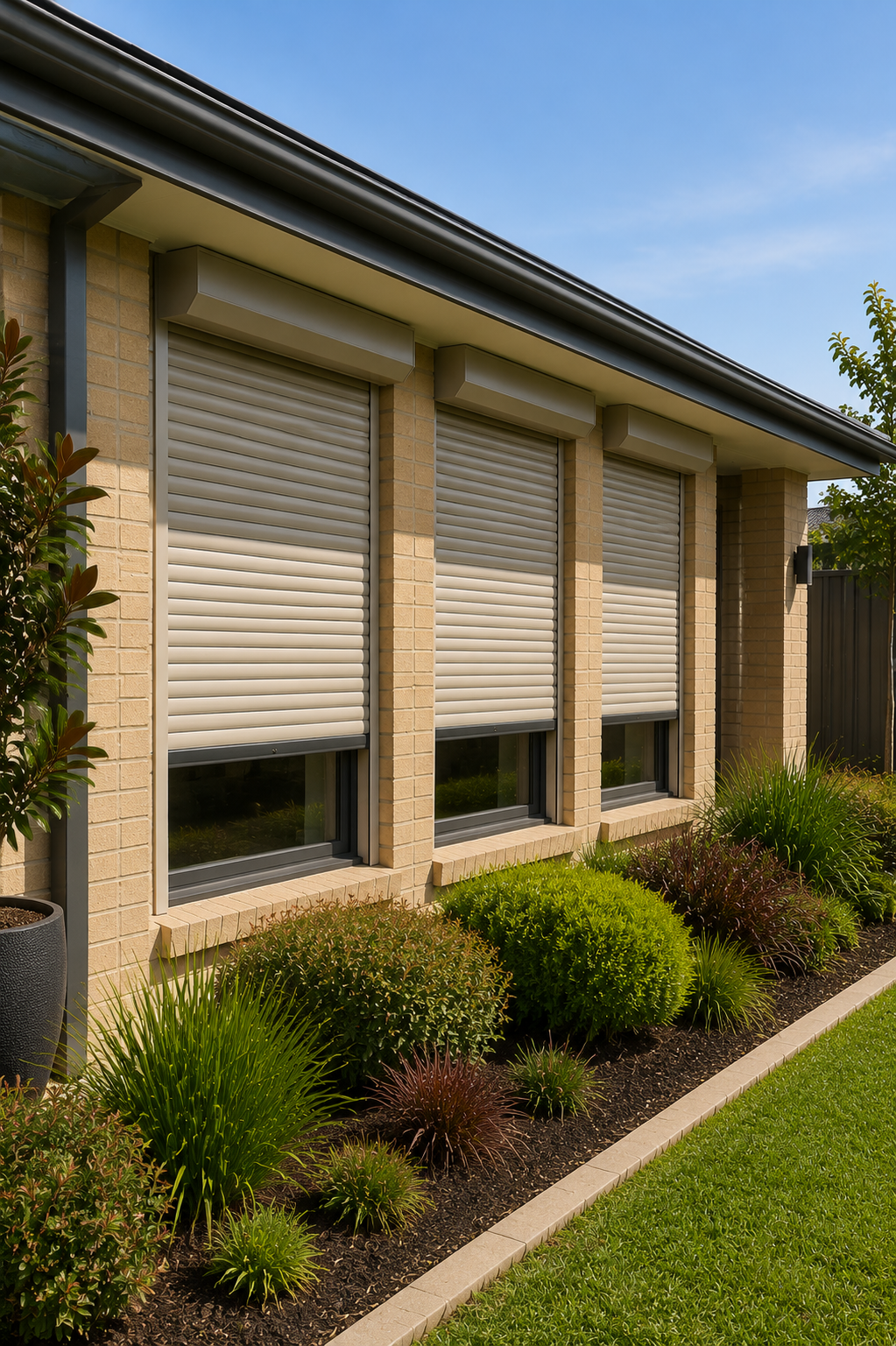
Roller Shutters Are Not a Complete Bushfire Solution
It is important to maintain realistic expectations.
Roller shutters alone do not make a property bushfire-proof and should not be presented as a guaranteed protection measure.
Bushfire resilience involves multiple considerations, including:
- appropriate building design
- vegetation management
- maintenance practices
- construction requirements
- professional advice where appropriate
Considering Roller Shutters During Home Upgrades
Homeowners undertaking renovations or upgrades may consider roller shutters alongside other improvements.
Questions to consider include:
- What role will the shutters serve?
- Are the products suitable for the intended application?
- Are installation details appropriate?
- Does the property have additional bushfire exposure considerations?
A broader assessment helps homeowners make informed decisions.
Perth Homes Near Bushland Areas
Properties located near bushland, reserves or rural interfaces may require additional consideration.
These homes may have different exposure factors due to:
- surrounding vegetation
- wind conditions
- landscape characteristics
- access and maintenance requirements
Homeowners in these areas should consider bushfire planning guidance relevant to their location.
New Homes and Bushfire Planning
New homes in bushfire-prone areas may involve additional planning requirements.
Considerations can include:
- site assessment
- building design
- material selection
- applicable construction standards
Roller shutters may be discussed as part of the overall design process, but they do not replace required planning, compliance or professional assessment.
Renovations and Existing Homes
Existing homeowners may consider roller shutters when improving comfort, security or weather management.
When bushfire resilience is part of the discussion, homeowners should review:
- existing building conditions
- potential vulnerabilities
- relevant guidance
- suitable product options
Each property requires consideration based on its own circumstances.
Choosing Roller Shutters for the Right Application
Important factors when selecting roller shutters include:
- product suitability
- installation quality
- material quality
- operation requirements
- maintenance expectations
A suitable product choice should be based on the homeowner’s objectives and property requirements.
Professional Installation Considerations
Installation quality is an important part of roller shutter performance.
Professional installation helps ensure:
- correct fitting
- appropriate operation
- reliable long-term use
- alignment with the intended application
Installation should always consider the specific property and product requirements.
Bushfire Preparedness Requires a Whole Property Approach
A resilient home approach considers many factors together.
These may include:
- vegetation management
- building maintenance
- access planning
- construction considerations
- appropriate product selection
No single product should be considered a complete bushfire solution.
Evidence and Performance Considerations
Homeowners researching bushfire-related products should distinguish between:
- verified product information
- general resilience considerations
- site-specific requirements
Product performance claims should be supported by appropriate documentation and relevant testing where applicable.
Making an Informed Decision About Roller Shutters
Roller shutters may be a useful consideration for homeowners looking to improve privacy, security, comfort and weather management while also considering broader property resilience.
The right decision depends on:
- the property location
- homeowner priorities
- product suitability
- installation quality
- professional advice where required
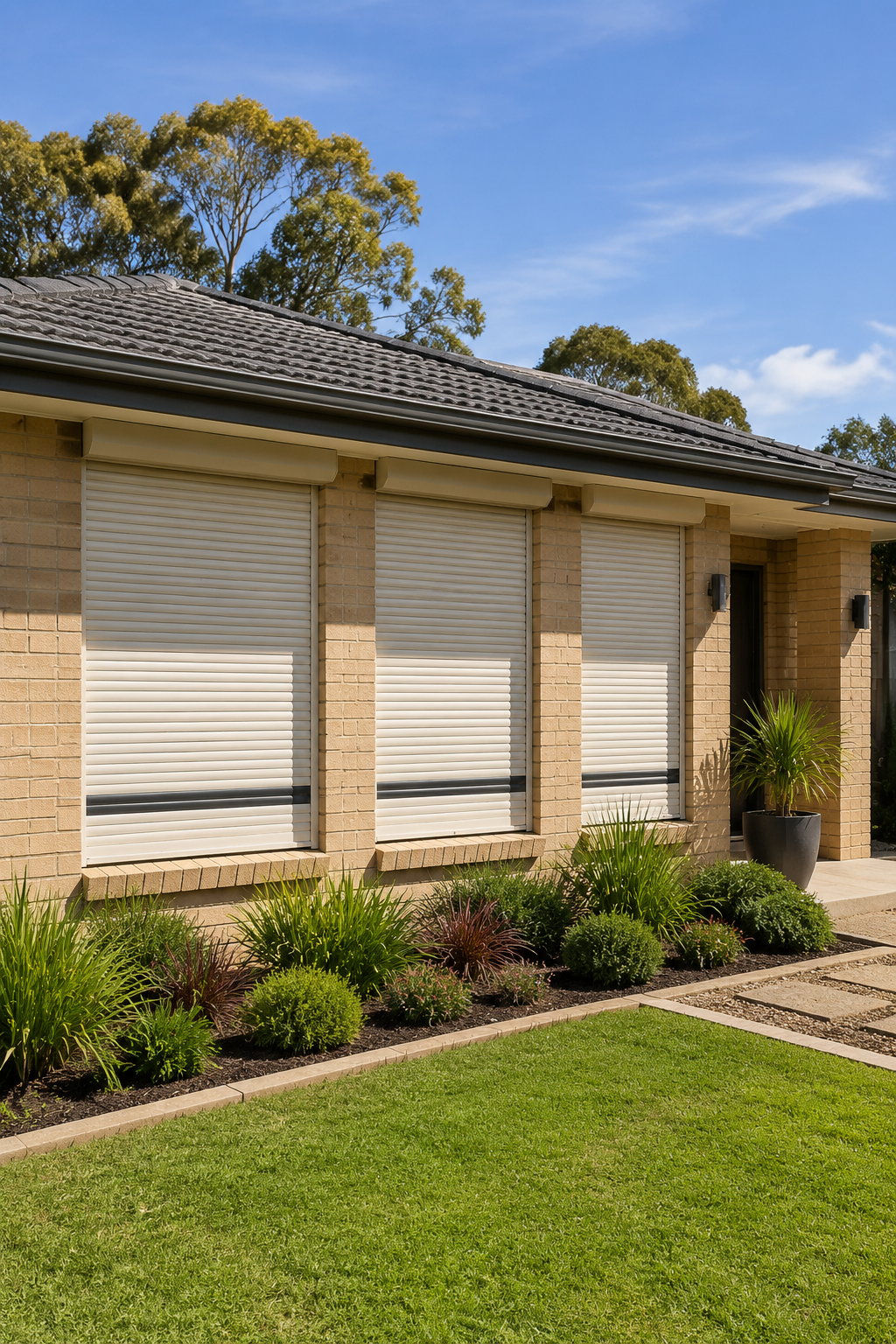
Frequently Asked Questions
Do roller shutters make a home bushfire-proof?
No. Roller shutters do not make a property bushfire-proof. Bushfire resilience depends on many factors, including building design, materials, vegetation management and site conditions.
Can roller shutters help with bushfire protection?
Roller shutters may be considered as one element of broader residential resilience planning. Their suitability depends on product specifications, installation and property circumstances.
Are roller shutters a replacement for bushfire planning?
No. Bushfire planning involves multiple considerations and should not rely on a single product.
Do all roller shutters have the same bushfire performance?
No. Roller shutters vary by design, materials, installation methods and available documentation.
Should homeowners near bushland consider additional planning?
Homeowners near bushland or vegetation areas should consider bushfire guidance relevant to their location and property conditions.
Can roller shutters improve other aspects of home comfort?
Roller shutters can provide benefits such as privacy control, light management and weather exposure management.
Are roller shutters suitable for renovations?
Roller shutters may be considered during renovations depending on the property, objectives and installation requirements.
Do roller shutters replace professional bushfire advice?
No. Professional advice may be required for properties with specific bushfire exposure considerations.
What should homeowners consider before installing roller shutters?
Homeowners should consider product suitability, installation quality, intended use and their property requirements.
Are bushfire claims about roller shutters always the same?
No. Claims should be assessed carefully and supported by appropriate evidence.
Where can homeowners find reliable bushfire information?
Homeowners should refer to relevant Australian standards, government guidance and qualified professionals for property-specific advice.